You want more leads, more calls, and more trust. So here is the big question. Can testimonial videos really help? Yes, they can. A testimonial video is a short clip in which a real customer shares what it was like to work with you. Learn what makes these videos work, how to film them, and where to use them so they bring in more business.
Key Takeaways:
- Testimonial videos build trust faster than written reviews.
- The best videos follow a clear story: problem, help, results.
- Most testimonials should be 1 to 3 minutes long.
- Clear sound matters more than a fancy camera.
- Captions help people watch with the sound off. Which, if you’re like us, is 90% of doom-scrolling time.
- Put testimonials on pages where people decide to call or book.
- Real people and real words work better than scripts.
- One good video can be cut into short clips for social media.
What Makes Testimonial Videos an Effective Marketing Tool?
Testimonial videos work because people trust people. When a real customer talks on camera, it feels honest. Viewers can hear their voice and see their face. That makes the story feel more real than a written review. A good testimonial can help someone feel safe enough to call, book, donate, or buy.
When someone speaks on camera, you see their face. You hear their voice. It feels honest. This makes the message easier to believe. A person can say more with a smile than in a paragraph. Words can say “great,” but a voice can show joy or doubt. That’s what makes testimonial videos stand out.
How Do Testimonial Videos Build Trust With Potential Customers?
Testimonial videos build trust by showing a real customer sharing a real result. When people are not sure what to choose, they look for proof. A testimonial answers the fear in their head. It shows that someone else took the risk, and it worked out.
What Emotional and Psychological Factors Make Video Testimonials More Persuasive Than Written Reviews?
Video shows emotion in a way text cannot. You can see relief, pride, or joy. That helps viewers connect. It also helps them picture their own life getting better. That is why a short, honest story can be more powerful than a long review.
Which Stats Prove the Effectiveness of Testimonial Videos in Increasing Conversions?
79% of viewers trust video testimonials more than text, and 90% say videos help them decide. Video captures attention. Over 72% say they trust a brand more after watching a positive testimonial. Also, videos improve recall. People remember 80% of information from video, but only 20% from text. That strong recall drives action.
High-converting testimonial videos often lead to sales. Companies using them see a 25–500% return on investment. Emails with embedded videos can raise click-through rates by 65%. That equals more visits, more buyers, and greater trust.
Many brands mix facts and feelings. Google’s video about helping a pet daycare reach 90% of local customers is a great example; Emotion plus proof. On LinkedIn and YouTube, testimonials grab more likes, shares, and views. Platforms like this one explain why. It's not just the message, it’s the story and face behind it.
When done right, these videos show more than results. They show care. They demonstrate value. Video marketing builds trust and helps build growth. The main idea is this: when people feel seen and heard, they respond. That’s what makes testimonial videos so effective.
How Do You Plan and Structure a High-Impact Testimonial Video?
A strong video starts with a clear problem. The viewer should understand it quickly. For example, your client might say, “We spent hours each week tracking leads.” That line draws interest with a challenge others relate to.
Next, show the shift. What made them try your offer? Have them explain in their own words. “We picked your software because it felt easy right away.” Keep language clear and honest.
Now, highlight the change. This is the central part of the story. Ask, “What happened after you started using it?” Choose examples that show real change: did they save hours? Grow sales? Reduce hiring? Share facts: “We saw a 30% jump in orders.” These points build trust without sounding pushy.
What Are the Key Narrative Elements in a Strong Testimonial?
A customer’s challenge, the choice to try your product, and real results. That three-part story feels believable and easy to follow. It helps viewers imagine their own success through someone else’s.
A strong testimonial has three parts. The customer shares the problem they had. They share what made them choose you. Then they share the result. The result can be a number, a time saved, or a change they can feel. Strong testimonial videos follow a simple story. First, show the problem. Next, show why they chose you. Last, show what changed. For example: “I was missing calls. Then I worked with this team. Now I get steady leads each week.” This keeps the video easy to follow.
What Makes a Testimonial Script Feel Real and Not Fake?
Use full sentences for the answers. This helps later when you cut the video into clips. It also makes the video easy to understand without the questions. Use short, natural prompts. Let the customer speak with their own voice.
Try prompts like:
- “How did we address the problem you were facing?”
- “What made you try our product?”
- “What would you say to someone considering our service/product?”
Avoid writing their script. Instead, guide with questions. Rehearse briefly, but don’t over-plan. If it sounds rehearsed, it won’t connect. People trust what feels real. A pause, a laugh, or an “um” can all help make it genuine. You can trim these later, but you can’t fake honesty.
How Long Should a Video Testimonial Be?
1 to 3 minutes keeps viewers engaged.
One minute works well for social media. Go to three minutes for deeper detail. After that, attention fades, unless the story is very strong. Share the most important part early; don’t leave it for the end.
What Are Some Concrete, Effective Video Testimonial Strategies?
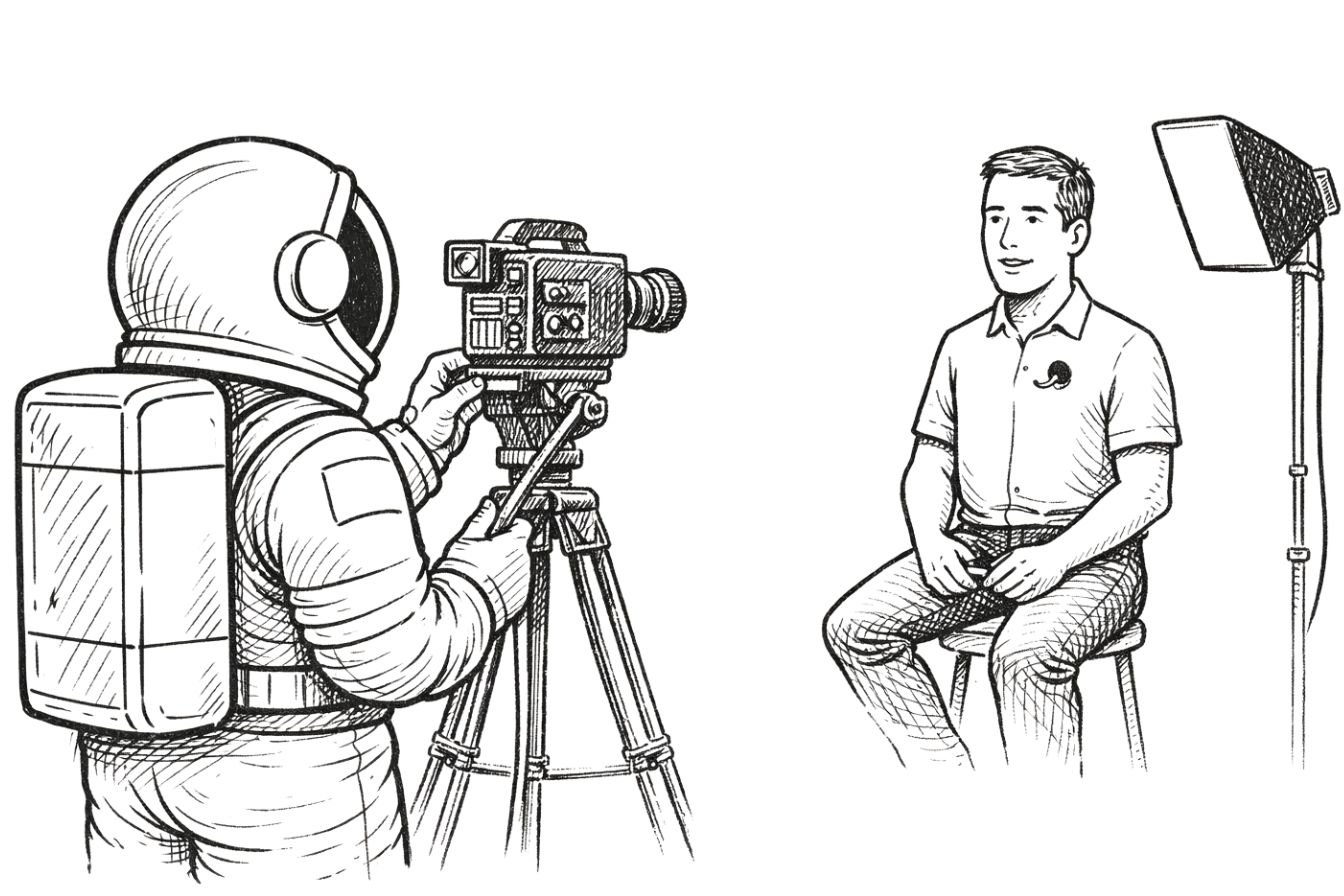
Start by choosing the right person. Pick someone who’s experienced the full benefit, not someone still early in the process. Let them record in their own space using tools like Storyprompt. This helps them feel natural.
Then guide the structure:
- Show the problem they had
- Show the moment they tried your solution
- End with real, clear results
Plan smart edits: trim silences, balance audio, display their name and role. Add your brand in subtle ways: use your colors or include captions.
Choose where it gets posted. Adding it to your homepage, emails, or social media makes sure it reaches people. Plan it well, keep it honest, and let the story speak.
How Can Businesses Collect Compelling Customer Video Testimonials?
The best time to request a video review is when the customer sees success. Ask after they’ve had a meaningful win or helpful support. If asked too early, the feedback might feel rushed or unsure.
Choose customers with a complete story. They need to have faced a problem, used your solution, and seen a transformation. Keep the request personal. A direct message works better than a mass email. Tell them how their story will help others.
Make it easy. Remove extra steps. Let them record on their timeline. Be clear. Let them know what to expect, how long it will take, and include examples.
Keep instructions short. Send 3–5 open-ended questions, such as:
- “What challenge brought you to us?”
- “How has your life or work changed?”
- “What surprised you the most?”
Offer quick preparation tips, like using a phone stand and facing a well-lit area. Quiet rooms help. Remind them to mute alerts and look at the camera.
| Video Checklist | Helpful Tools |
|---|---|
| Good lighting | Prompt templates |
| Clear mic (phone earbuds work) | Brand frames and stickers |
| Quiet space | Auto captions |
| Landscape mode | Drag-and-drop editors |
| Test run before recording | Easy sharing |
Best structure:
- Quick intro (“I’m Lisa, I run a gift shop.”)
- The problem (“Shipping took too long.”)
- The solution (“This app made it simple.”)
- The result (“I now save 5 hours per week.”)
Ask for final approval before publishing. Follow up with thanks. When you share the final video, this makes the customer feel heard and strengthens your bond.
Nonprofit Testimonials That Lead to Donations and Volunteers
Nonprofit testimonial videos work best when they show real change. People want to see who you help and how the help matters. A good nonprofit video focuses on one story at a time. It can be a person you served, a volunteer, or a donor. Keep it respectful and simple. Ask the person to share what life looked like before, what support they got, and what is different now.
For donors, focus on impact. A donor wants to know their gift matters. For volunteers, focus on meaning. A volunteer wants to know they will feel proud, safe, and useful. End with one clear next step. Ask them to donate or to volunteer, but not both at once. Keep the ask kind and direct.
Nonprofit Prompts to Use:
- What made you reach out to us?
- What changed after you got support?
- Why did you choose to volunteer or give?
- What do you want others to understand about this need?
- What would you tell someone thinking about helping?
The best places to use nonprofit testimonials: donation page, campaign landing page, volunteer page, email appeals, and social media clips.
What Are the Most Engaging Formats and Styles for Testimonial Videos?
Tone depends on brand and audience. Emotional videos work when products make life better. Health programs and education tools often do this well. Seeing reactions (tears, smiles, relief) fosters trust.
For B2B or costly items, numbers matter. Data-driven videos show proof. “We saved $50,000” sticks with people. Humor helps you stand out, but it has to feel natural. Slack’s mockumentary got great feedback. But humor takes care; badly delivered jokes lower the impact.
Each type has pros and cons. Emotion builds connection, but may not suit every topic. Data shows value, but can seem cold. Humor draws attention but might blur the point.
Should Testimonial Videos Be Interviews, Stories, or Short Clips?
Use stories with purpose. Stories are compelling. They bring a full arc: problem, fix, outcome. They’re easy to remember. A brief “We used Product X and grew by 30%” works when it’s real and concise.
Interviews can feel stiff unless edited. Most people get nervous on camera. Cut the questions. Add footage of the customer using the product. It brings it to life.
Short clips (under 60 seconds) work well in ads. A bold line like “One call changed everything” makes people stop scrolling. All formats have value. Use stories to engage fully, clips for reach, and interviews for emotional depth.
How Does the Style of Testimonial Videos Affect What Viewers Remember and Share?
Visual style impacts recall when clear, honest, and tied to brand tone. Simple scenes, real faces, and clean audio win. Showing the product in action, or real joy, makes a difference. Most viewers (80%) remember what they see.
People share stories that solve a common issue or feel relatable. A dad fixing his home after a flood? People tag friends saying, “This is you.”
Animation helps big ideas. Captions and music help mute-watchers. These make videos more shareable. Fun visuals help too. One brand used a cartoon dog. It matched their vibe and kept people watching. It doubled shares over regular ads.
Still choosing a format? Map your goals to find the right fit on video guides. Pick a format that suits your brand, showcases clear messages, and connects with people. That’s how testimonial videos earn attention and trust.
Where and How Should You Publish Your Testimonial Videos?
Start with your homepage. That’s where most visits begin. Put a strong video near the top. Include visible outcomes and honest emotion. Link to more testimonials from there.
Use landing pages for campaigns. Match each testimonial to the offer. Place the video near a call-to-action button. It builds trust and speeds decisions.
How Do Testimonial Videos Help With SEO?
They help SEO by adding trusted content that keeps people on the page longer. Search engines reward pages that perform well. Videos increase time on page and reduce bounce. Add transcripts or summaries so your video also improves text-based rankings.
Use the right tags. Include names, locations, and keywords; these make it searchable for future customers.
Which Platforms Should You Use to Share Them?
- Start with YouTube. It’s where many shoppers look for answers. Use a strong title and tags. Include a call to action in the description.
- Post on LinkedIn for business audiences. It works well with informative, real content. Instagram is great for short clips. Use reels or stories for short wins, and link back to full videos.
- On social media, grab viewers in 3 seconds. Use captions since most scroll without sound. One key message at the start works best.
- Facebook still plays well; post full videos or run paid content to targeted groups. TikTok works for younger, trend-led audiences.
- Email is another strong outlet. Think about this: your thank-you email includes a customer sharing a win. That raises reply rates. Use it in newsletters or campaigns.
Looking to get started? Find tips on video in small business marketing. Use real faces. Share real quotes. Publish them everywhere your customer engages, and you'll see stronger results.
What Types of Testimonial Videos Work Best for Different Industries?
Different fields benefit from different video styles. The structure should match how buyers think in each area.
What Makes B2B Testimonial Videos Different From B2C?
B2B videos work best when they show strong facts from real user stories. In B2B, buyers need clear evidence. A strong B2B video includes useful metrics, before-and-after comparisons, and workflow benefits. For example, a video might explain how a product saved time or improved results. Details matter.
Slack’s video with Marriott is a strong sample. You see the real team explaining what changed. It doesn’t just promote; it highlights real impact through stories, not actors.
How Should Healthcare or Real Estate Use Video Testimonials?
Patient or homebuyer stories build trust when shared with clear feeling and detail.
In healthcare, people listen most when stories feel soft and safe. Dean Dental Solutions shared a story about a woman who saved her sight. Her doctor added details. This mix helps the viewer believe.
In real estate, testimonials work when they highlight kindness, ease, and helpful agents. Ending with the happy buyer showing their home brings it full circle. United Fence & Construction uses an evergreen brand video.
How Do User-Generated and Remote Testimonials Add Authenticity?
User-generated testimonials feel more real because they come from real people with no script or polish.
That raw look builds trust. A customer records themselves. The message isn’t rehearsed. They speak about how they feel. That kind of feedback feels true. No actors. No commercial. Just one person helping another.
Many brands receive this type without asking for it. The honesty shows. It helps that viewers know these are regular people, not part of your team. That makes it stick.
Which Testimonial Video Examples Stand Out and Why?
The best testimonial videos are clear, real, and easy to follow. They show a need, a solution, and a result. That clarity makes them stick.
Slack’s “So Yeah, We Tried Slack” is a standout. It mixes humor with usefulness. It walks us through what changed by switching to Slack, while keeping it fun. That balance makes it enjoyable and convincing.
Google Ads told a story about a small dog daycare with emotion. A small dog daycare gained 90% of customers through the platform. It works well by showing data with storytelling.
American Express built a strong video with five businesses. Each owner told a personal story, all pointing to AmEx as reliable. This method shows variety but connects through a shared message.
Wyzowl’s piece with Configit includes people, scenes, and stats. It doesn’t feel scripted. It sounds honest, and viewers trust that.
Want something more artistic? Westfield Insurance used animation to present customer testimonials. It made serious topics feel safe and vivid. Voice clips, drawings, and narrative combine to tell memorable stories without being cheesy.
Mastering Testimonial Videos With iProv
Video reviews work because they feel real. Use emotion, clarity, and structure. Then record, edit, and share them across your brand story, from web to email to ads. You’ll build trust and results. iProv has plenty more resources to delve into.
Pay attention to patterns:
- Real person + clear need
- Facts like “increased sales by 40%”
- Product shown in use
- Crisp visuals and sound
- A visual arc: problem, fix, result
When you feel like you’re ready to get started, remember to stick to the basics. These testimonial video methods are tried and true and can bring the same level of success to your business. When it’s time to give it a try, get in touch and see what steps you can take to utilize video marketing.